Journey to Space! 🚀
Hello, everyone. Today, we are going on a very special trip. Not by car. Not by train. Not by airplane.
We are going on a journey through space to learn about the solar system.
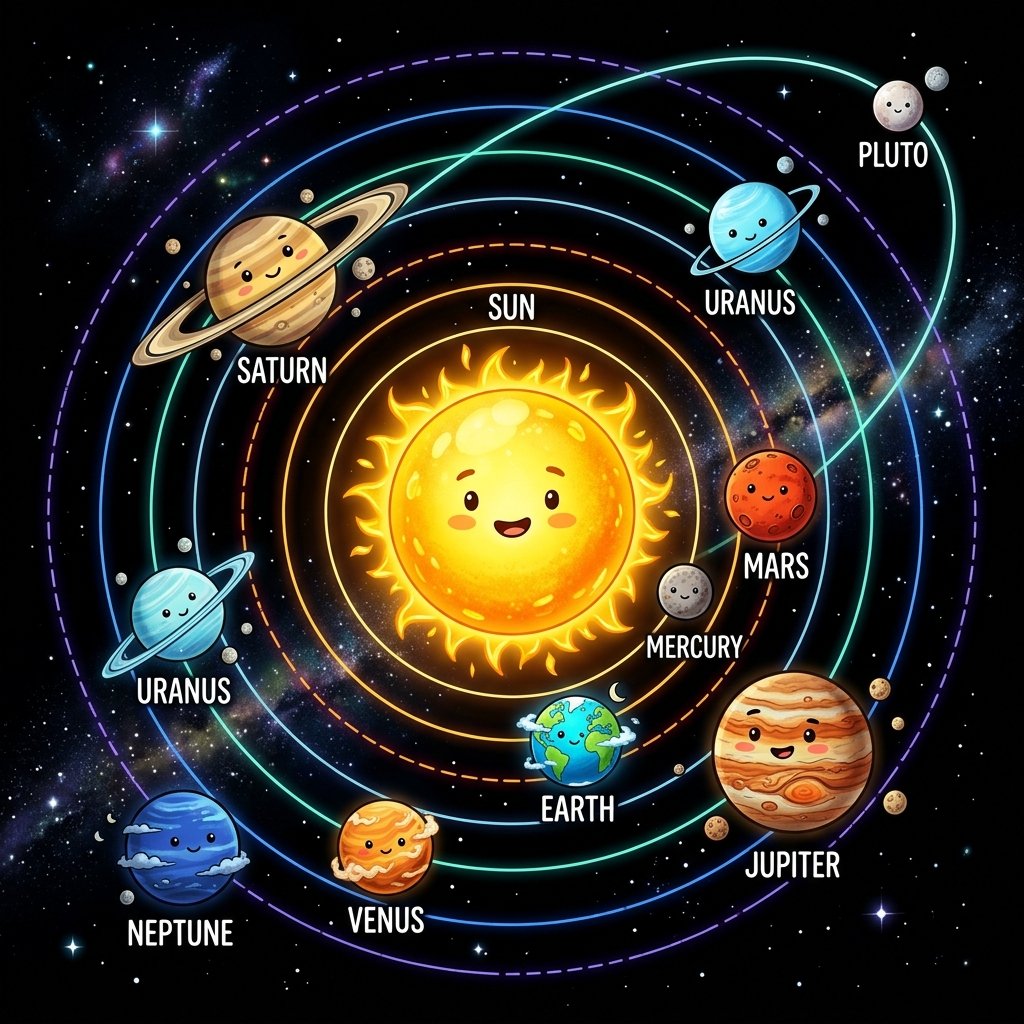
Does anyone know what the solar system is? The solar system is made up of the Sun, the 8 planets, their moons, and other objects like asteroids and comets that all move around the Sun.
Q: What goes around the Sun?
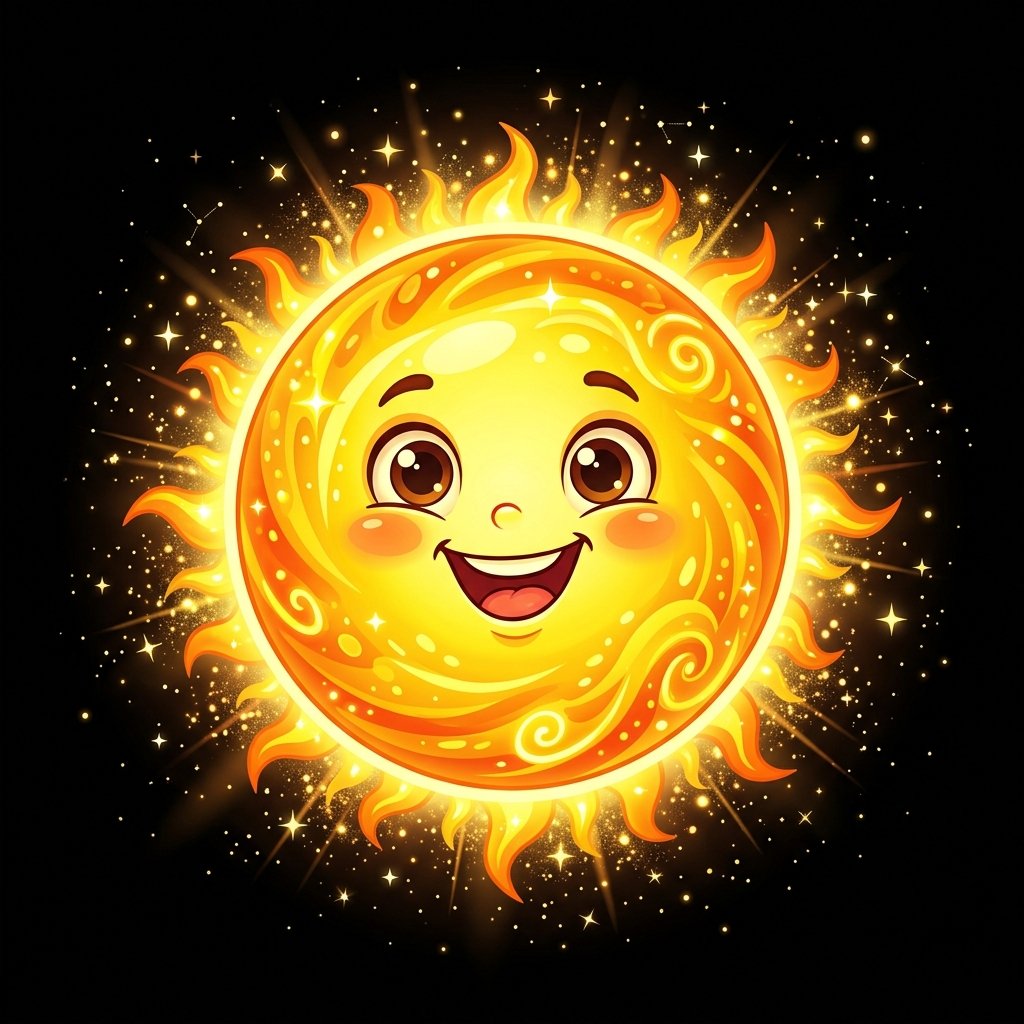
Our first stop is the Sun. The Sun is a star. It is a huge, glowing ball of very hot gas. It gives us light and heat. More than a million Earths could fit inside!
Q: What is the Sun?
Now, the planets do not just sit still. They move around the Sun in paths called orbits. You can think of an orbit like a racetrack in space. The planets also spin, just like tops.
Q: What is a planet's path called?
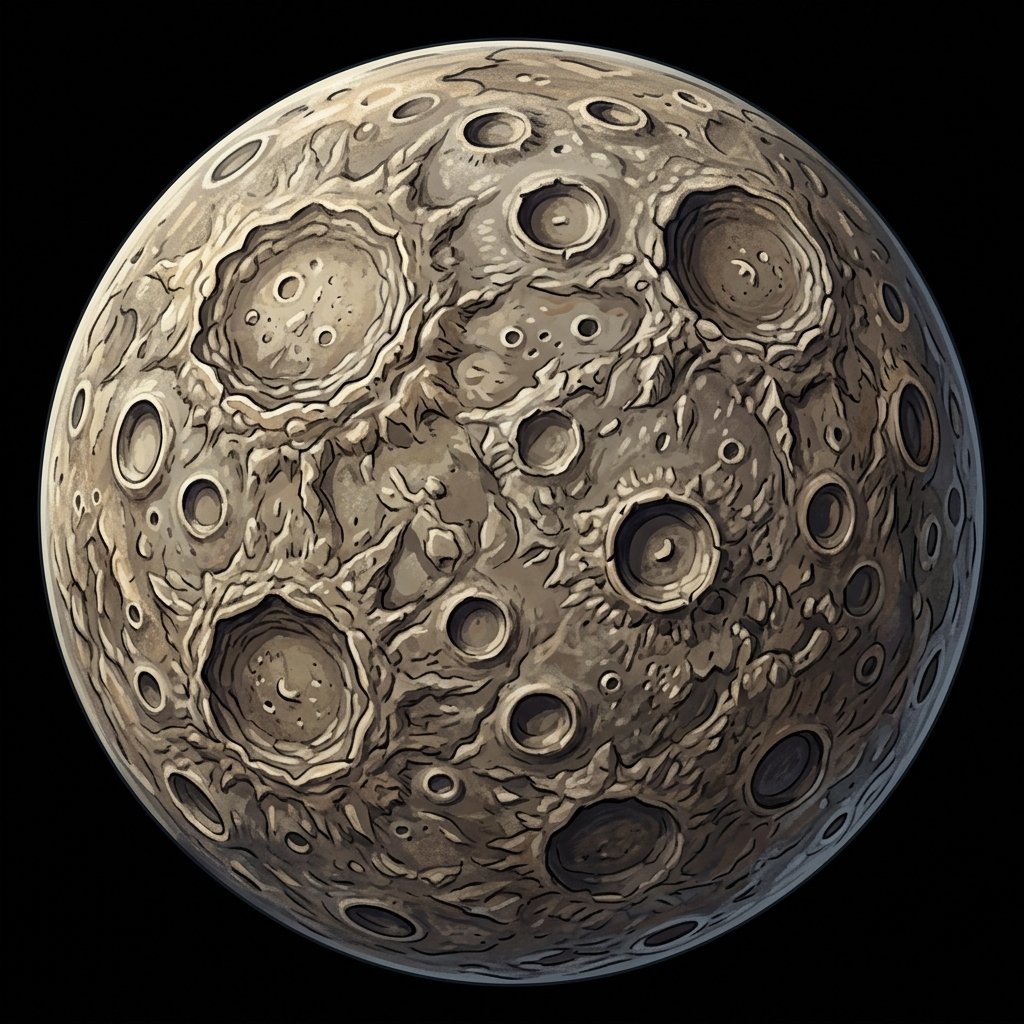
First is Mercury. It is the closest planet to the Sun, so it gets very hot in the daytime. It is the smallest planet and races around the Sun quicker than any other planet.
Q: Which planet is the smallest?
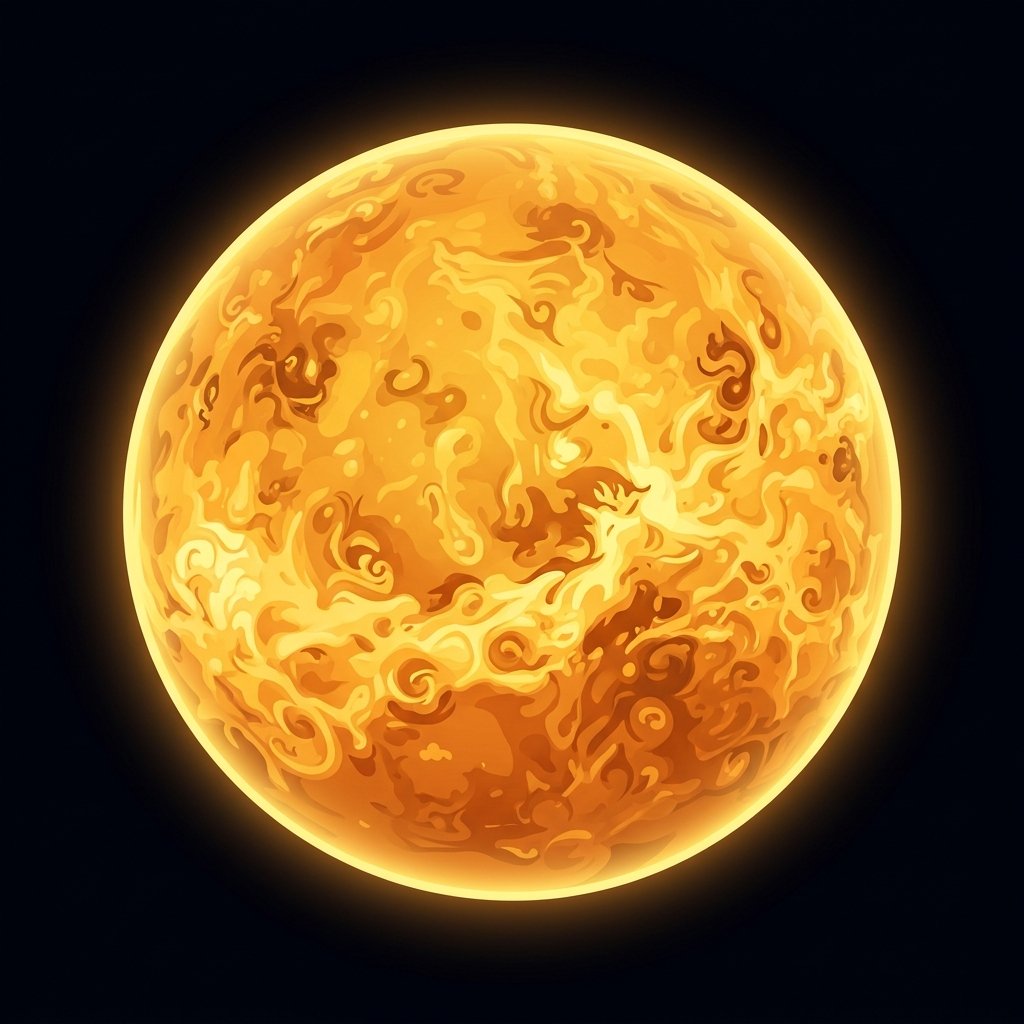
Next comes Venus. It is covered with thick clouds, and it is the hottest planet in the solar system! Its thick atmosphere traps heat like a giant blanket.
Q: Which planet is the hottest?
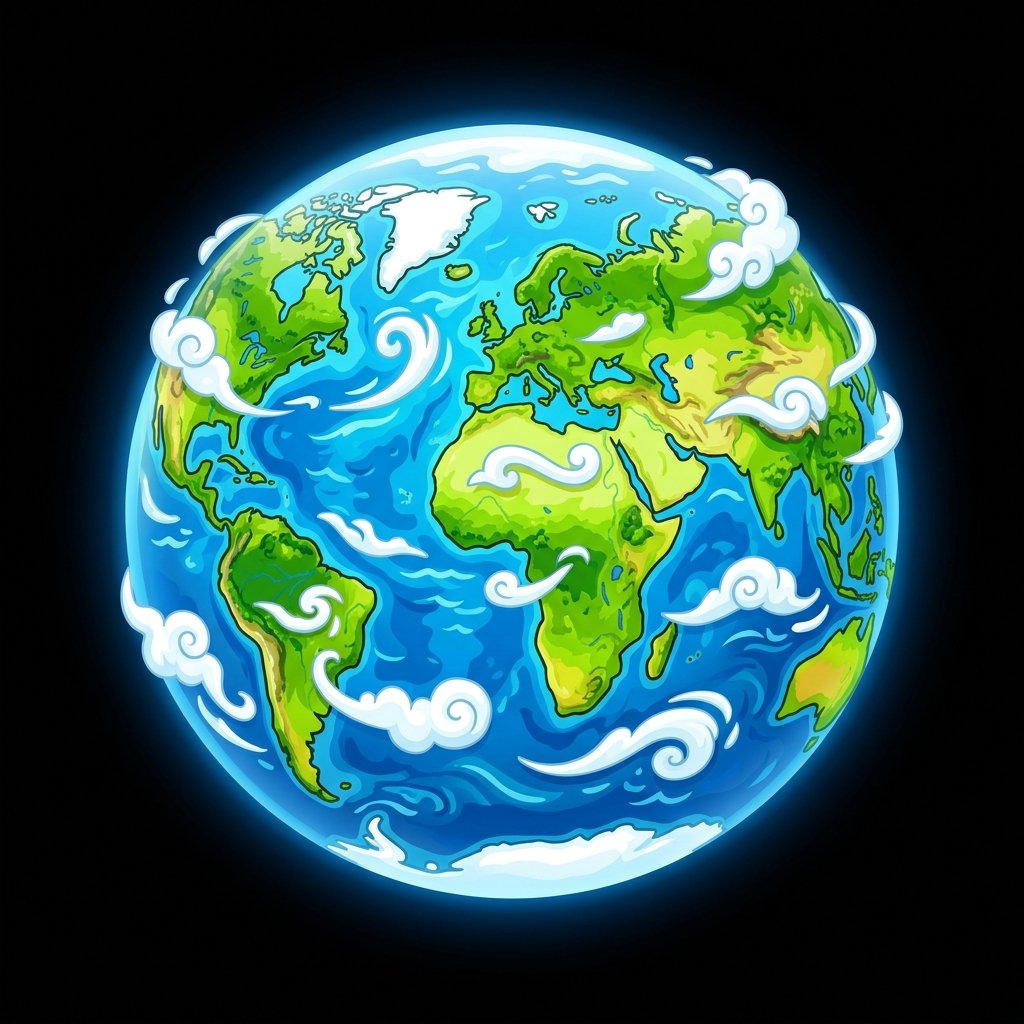
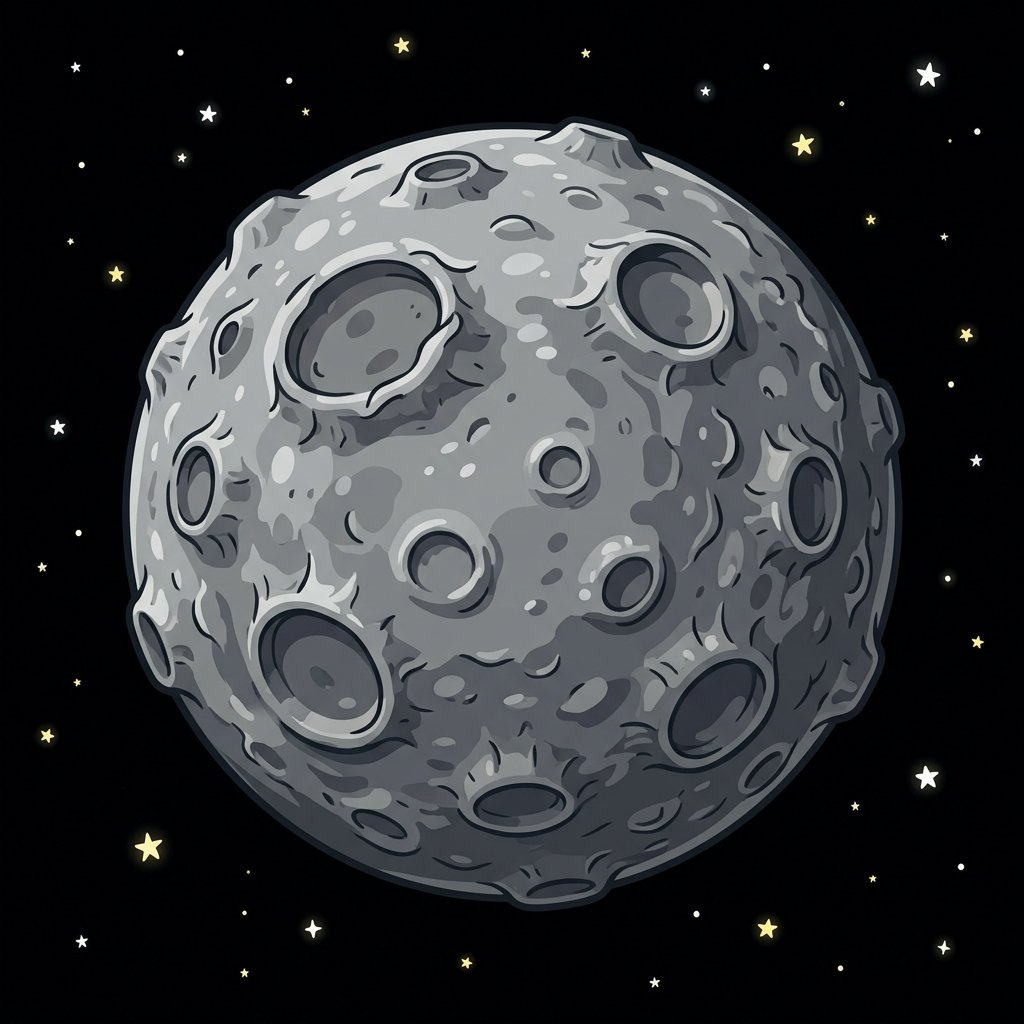
Now we come to our home, Earth. Earth is the third planet, and it is very special because it has air to breathe, water to drink, and life! It also has one Moon.
Q: Which planet supports life?
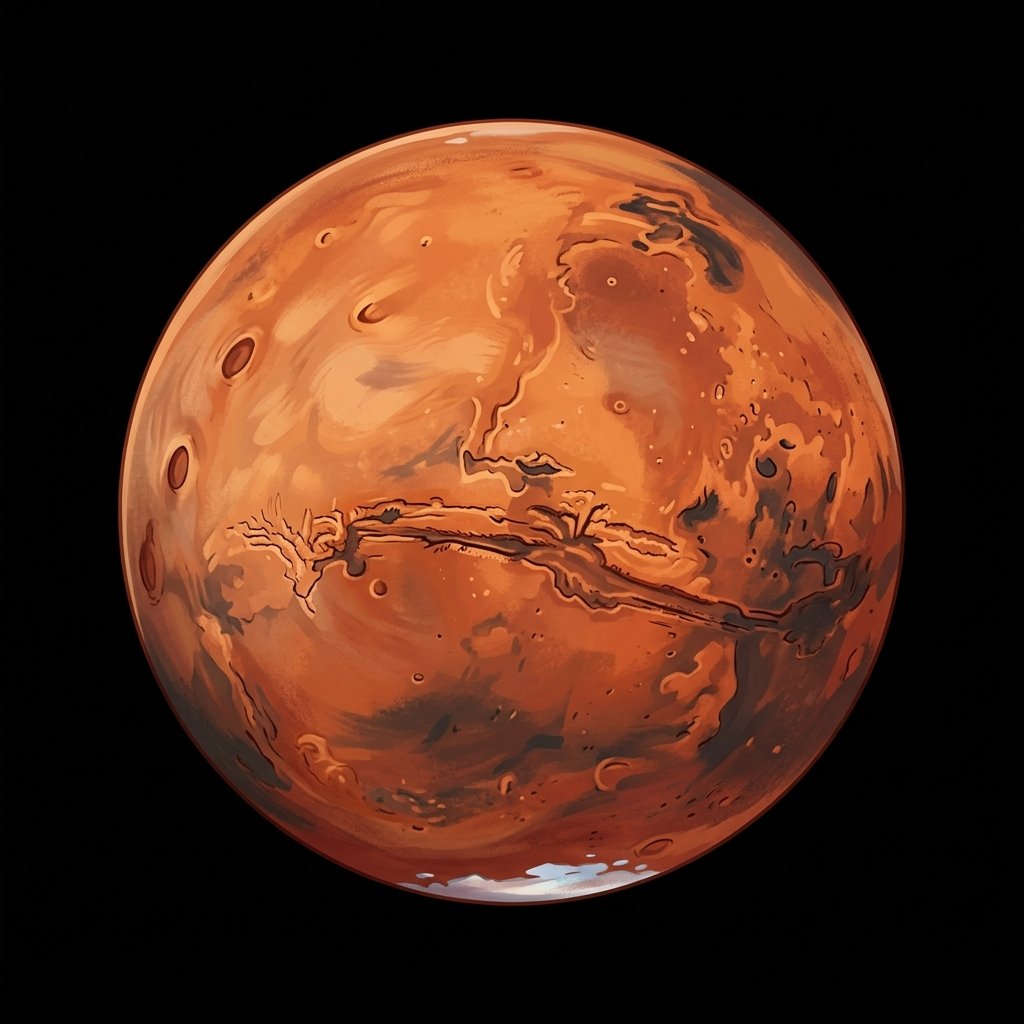
Next is Mars. Mars is called the Red Planet because it looks red or rusty. It is cold and dusty, and it has giant volcanoes. One of its volcanoes is called Olympus Mons, and it is three times higher than Mount Everest on Earth!
Q: What is Mars called?
Before we go to the next planet, we pass through the asteroid belt. This is a region with many rocky objects called asteroids. They are like space rocks of different sizes orbiting the Sun.
Q: What are asteroids?
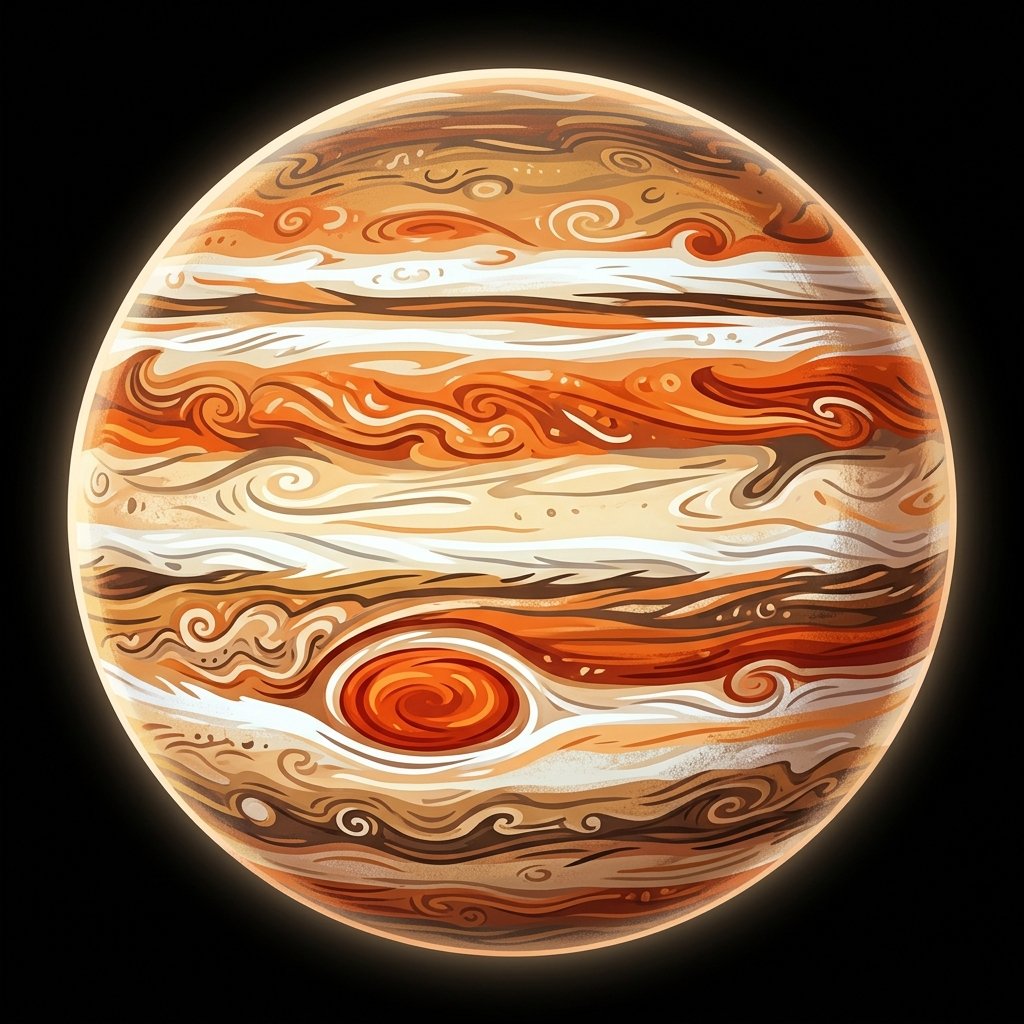
Here comes Jupiter, the biggest planet of all! It is more than twice as big as all the other planets combined! It has a famous storm called the Great Red Spot. Jupiter is like the giant king of planets.
Q: Which planet is the biggest?
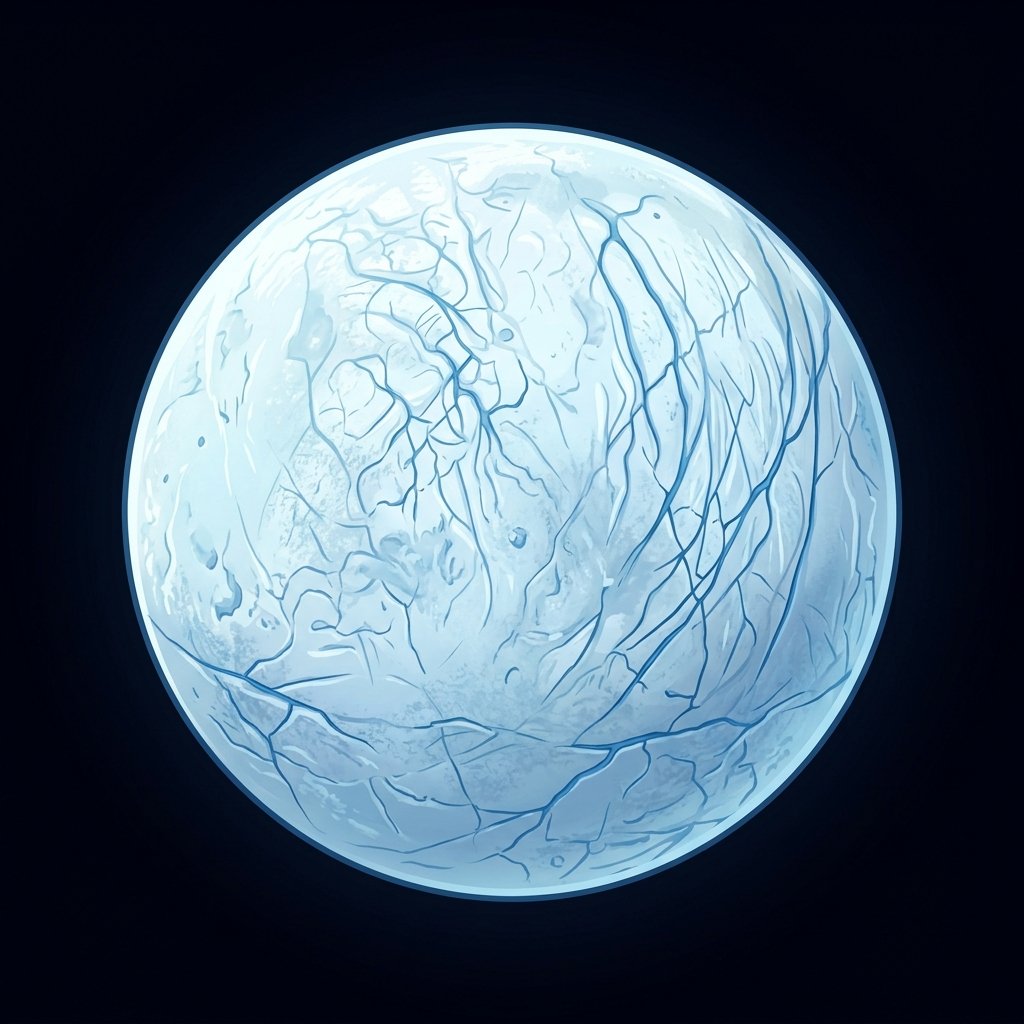
Next is beautiful Saturn. Saturn is famous for its rings made of pieces of ice, rock, and dust. It is very large, but very light. If you had a bathtub big enough, Saturn could float!
Q: Which planet is famous for bright rings?
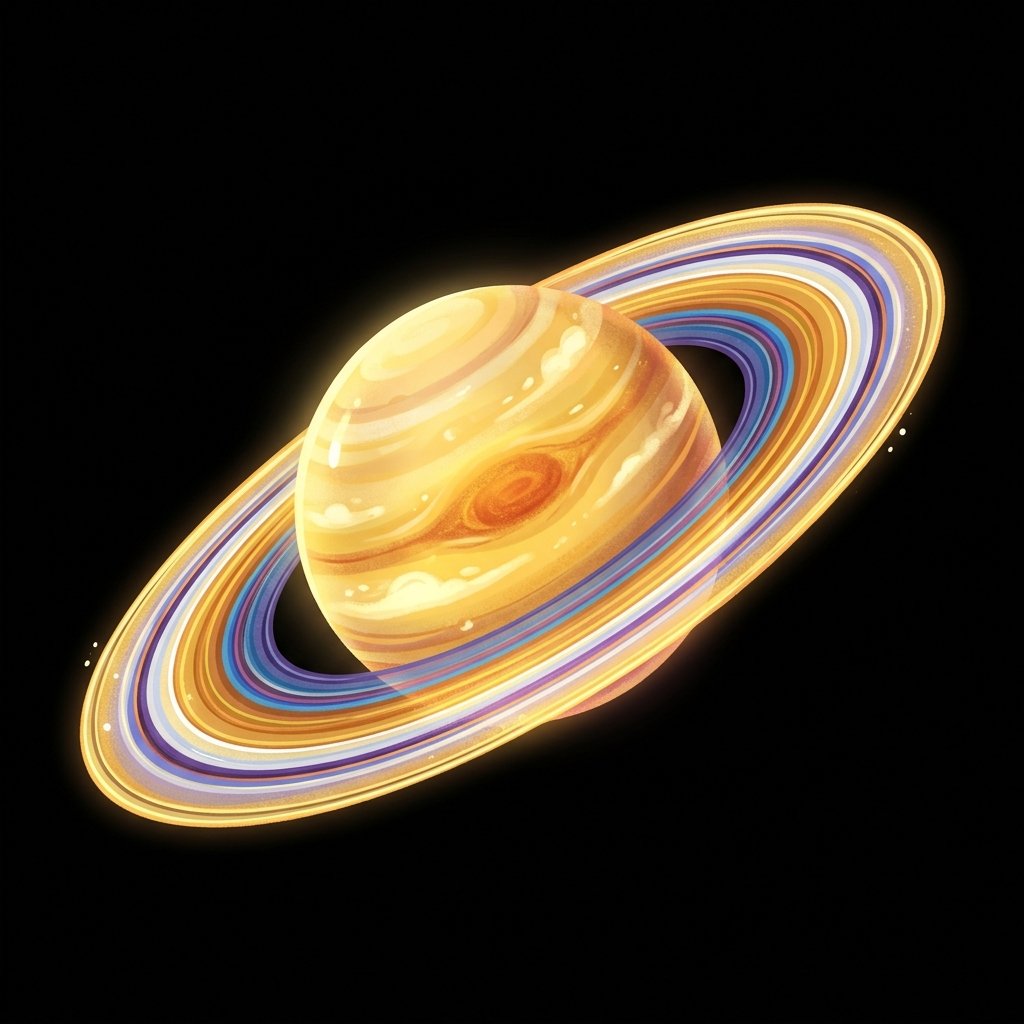
Now we travel to Uranus. Uranus is an icy giant. It is blue-green and very cold. It spins in a very unusual way, like it is rolling around the Sun on its side!
Q: Which planet rolls on its side?
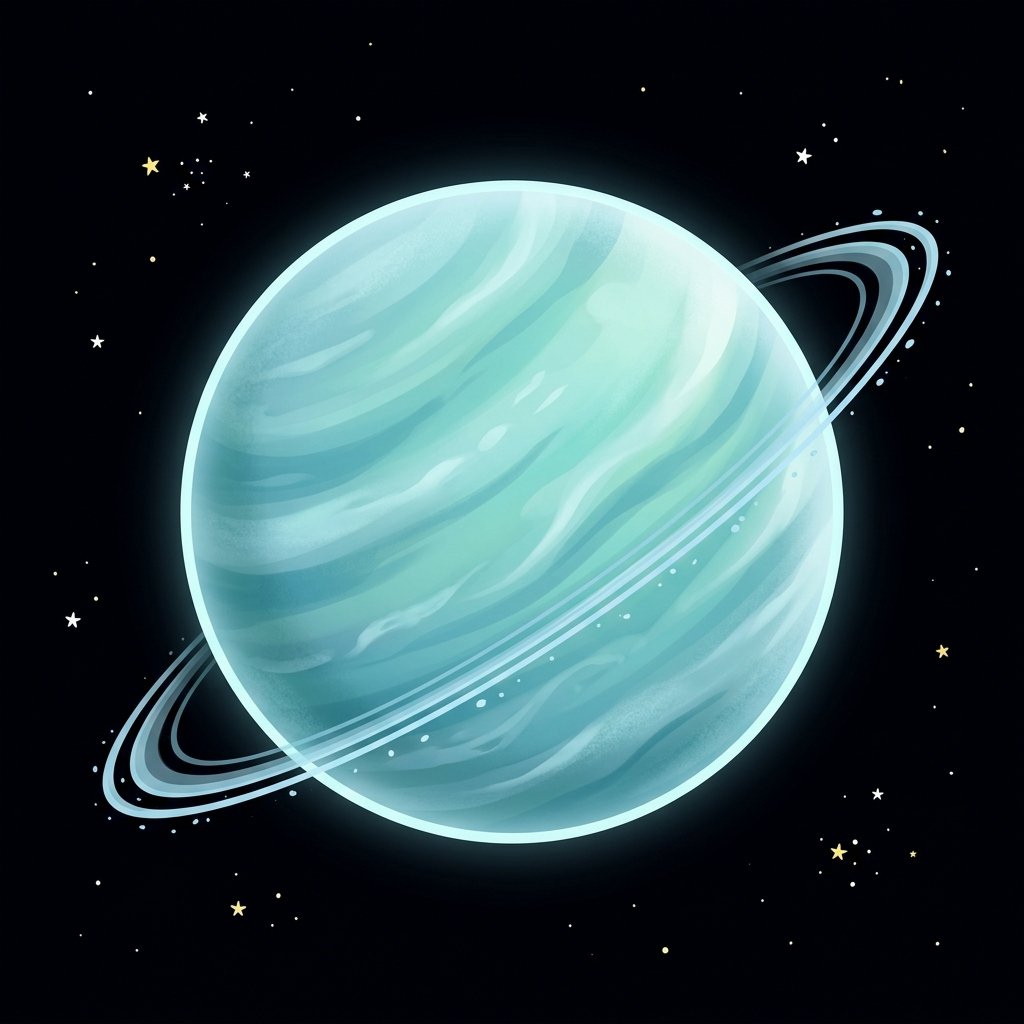
Our last planet is Neptune. It is dark blue, windy, and freezing cold. Neptune has some of the fastest winds in the solar system. And that is our eighth planet!
Q: Which planet has the fastest winds?
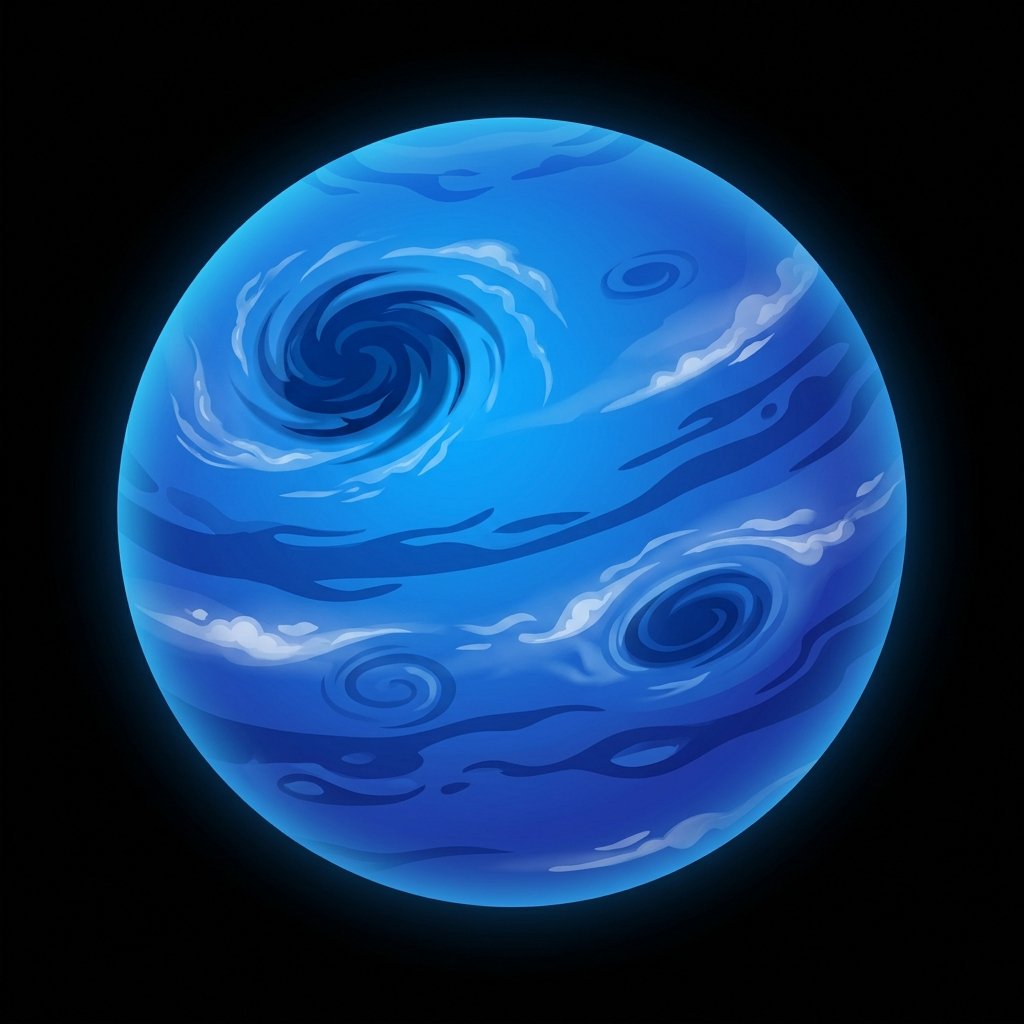
Now some of you may ask, ‘What about Pluto?’ Pluto is called a dwarf planet. It is smaller than the main planets, but it is still an important part of our solar system family.
Q: What is Pluto called?
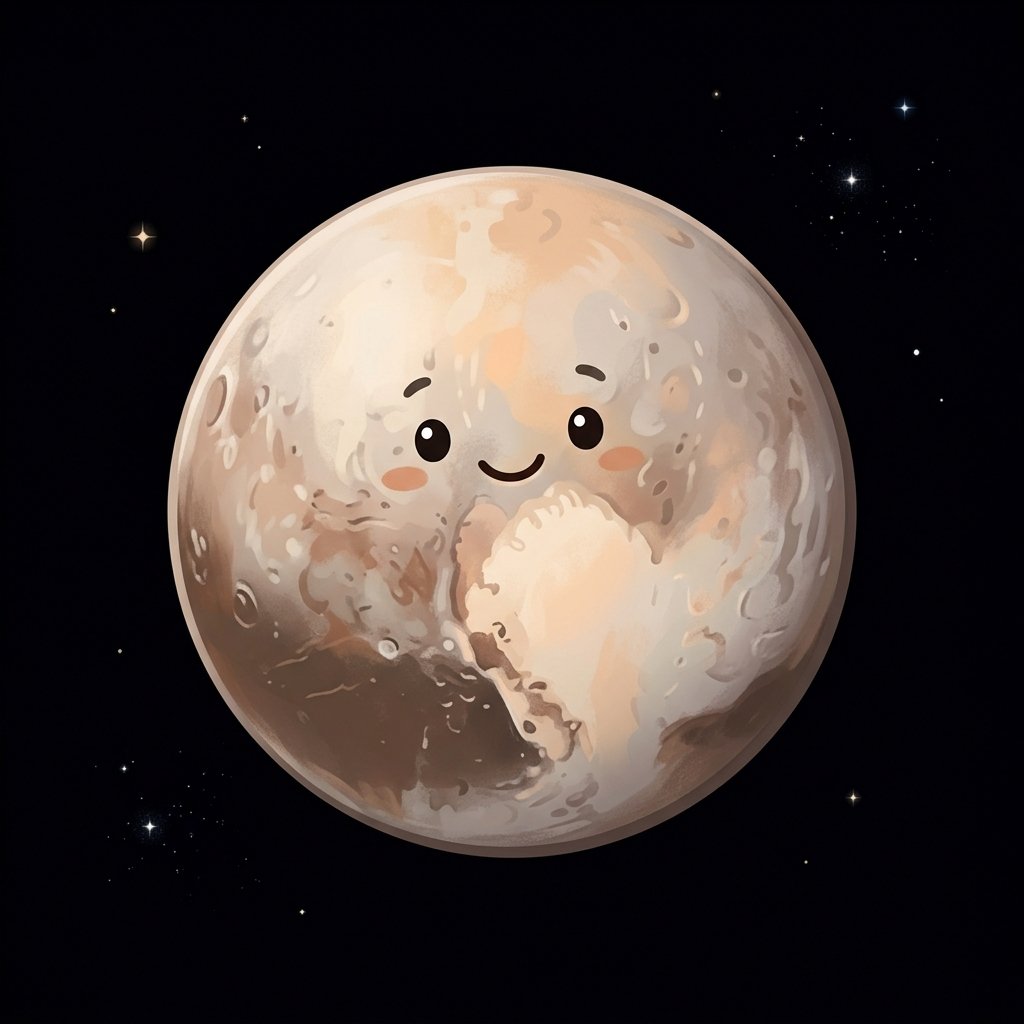
Space is full of amazing things! There are moons, and there are comets. Comets are icy objects that grow a glowing tail when they get near the Sun. They are like 'dirty snowballs in space'.
Q: What are comets like?
Let’s say the planets in order together from the Sun: Mercury, Venus, Earth, Mars, Jupiter, Saturn, Uranus, Neptune!
Q: Which planet is closest to the Sun?
Here is a fun way to remember them: My Very Eager Mother Just Served Us Noodles! M - Mercury, V - Venus, E - Earth, M - Mars, J - Jupiter, S - Saturn, U - Uranus, N - Neptune!
Q: What does 'M' stand for in our song?
Did you know scientists are learning new things every day? In April 2026, telescopes watched a comet totally disappear when it got too close to the Sun! Also, the robot spacecraft 'JUICE' is flying right now to study Jupiter's icy moons!
Q: What is flying to Jupiter's moons?
You are a Space Explorer! 🚀
Keep asking questions, keep imagining, and keep exploring. Thank you, little astronauts!